Understanding Video to Prompt: A Comprehensive Guide
As creators increasingly turn to artificial intelligence for video production, understanding how to transform visual content into actionable concepts becomes vital. This is where the video to prompt technology steps in, providing innovative ways to convert footage into detailed prompts that serve as a roadmap for AI video generation. In this guide, we will explore the mechanics of video to prompt conversion, its benefits, and what you need to achieve optimal results.
What is a Video to Prompt Converter?
A video to prompt converter is a specialized tool designed to analyze video content and extract detailed descriptions that can be used as prompts for AI-driven video creation. By breaking down videos frame by frame, these converters identify key elements such as subjects, actions, camera movements, and even stylistic choices. The result is a comprehensive text prompt that encapsulates what occurs in the video, effectively allowing creators to replicate or build upon existing video styles in their projects.
Benefits of Using Video to Prompt Tools
- Enhanced Creativity: By providing insights into cinematic techniques and narrative structures, video to prompt tools enable creators to explore new creative avenues.
- Time Efficiency: Instead of manually deconstructing complex videos, content creators can save time by using automated analysis tools.
- Optimized Output: Tailored prompts can enhance the performance of AI models, leading to more successful video outcomes.
Common Misconceptions About Video to Prompt Technology
Despite its advantages, there are several misconceptions surrounding video to prompt technology. Many creators believe that these tools can only analyze certain types of videos or that they lack accuracy. In reality, advanced tools like VideoPrompt.fun support a variety of formats, including MP4, MOV, and WEBM, and they are continually updated to ensure precision in prompt generation.
How to Convert Video to Prompt in Simple Steps
Step 1: Uploading Your Video or Image
The first step in converting your video to a prompt is to upload your source material. Most video to prompt converters support various file formats, allowing users to drag and drop their videos directly into the application. Aim for high-quality footage to ensure the best results, as better visual clarity can lead to more accurate prompt generation.
Step 2: Selecting the Right AI Model
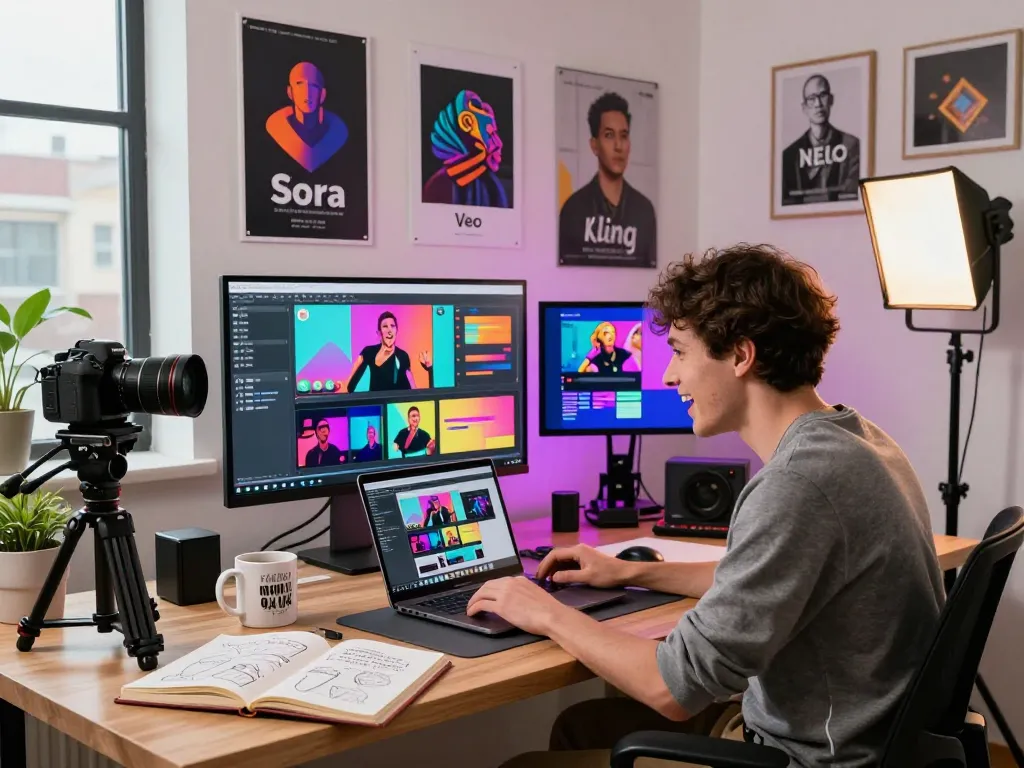
Once your video is uploaded, the next step is to select the appropriate AI model for prompt output. Different models are tailored for various needs—some are optimized for narrative-driven content, while others focus on specific styles or technical details. For instance, models like Sora2 and Veo3.1 are designed with cinematic and advanced technical requirements in mind, making them suitable for creators aiming for high-quality visuals.
Step 3: Analyzing Your Output for Best Results
After the prompt generation, it’s crucial to analyze the output thoroughly. Review the generated prompt for accuracy and completeness, ensuring it captures the essential elements of the video. Adjustments may be needed based on your creative goals—this iterative process helps refine the final results, making it a valuable part of your workflow.
Advanced Techniques for Effective Video Prompt Generation
Tailoring Prompts for Different AI Models
To maximize the effectiveness of your prompts, it’s essential to tailor them for specific AI models. This involves understanding the unique characteristics and requirements of each model. For example, prompts for Sora2 focus on narrative structure, while Kling AI emphasizes physical accuracy. Ensure that your prompts align with the model’s strengths for better video quality.
Leveraging Specific Keywords for Better AI Performance
Using targeted keywords can significantly enhance the performance of your AI output. Understand the core themes and elements present in your base video and translate them into keywords that resonate with the AI model’s training. This can lead to improved accuracy and alignment with your intended creative vision.
Case Studies: Successful Video Prompts and Their Impact
Analyzing successful case studies can provide valuable insights into the impact of effective video prompts. For instance, creators who utilized tailored prompts in Sora2 reported substantial increases in viewer engagement and satisfaction due to the model’s ability to replicate cinematic quality. These examples illustrate the importance of understanding the interplay between video content and AI prompt generation.
Addressing Common Challenges in Video to Prompt Conversion
Learning Curve: Navigating New Technologies
As with any new technology, there may be a learning curve associated with mastering video to prompt conversion. Familiarizing yourself with different AI models and their functionalities can initially seem daunting, but investing time in learning these tools is crucial for achieving optimal results.
Data Privacy Concerns: What You Should Know
Privacy is a significant concern when uploading videos for analysis. Many users worry about the security of their content and the potential for misuse. Reputable video to prompt converters, such as VideoPrompt.fun, prioritize user privacy by ensuring that uploaded materials are not stored or used for training. Always opt for transparent services that respect user confidentiality.
Maximizing Efficiency: Avoiding Common Pitfalls
To maximize efficiency in video to prompt conversion, avoid common pitfalls such as neglecting to review generated outputs or failing to adjust prompts for specific AI models. Regularly revisiting the prompts and their effectiveness can greatly enhance your creative outcomes and reduce wasted resources.
Future Trends in AI Video Generation and Prompt Strategies
Emerging Technologies Shaping Video Analysis Tools
The landscape of AI video generation is continuously evolving, with emerging technologies reshaping how video analysis tools operate. Innovations in machine learning and natural language processing will enable even more sophisticated prompt generation, catering to diverse creative needs.
Predictions for Video to Prompt Enhancements in 2026
Looking ahead to 2026, we can expect advancements that will streamline video to prompt conversion processes. Enhanced compatibility with new AI models and user-friendly interfaces will make these tools increasingly accessible, allowing for more creators to harness the power of video to prompt technology.
Best Practices for Staying Ahead in Video Content Creation
Staying ahead in video content creation involves continuously adapting to new technologies and refining your skills. Regularly updating your knowledge of different AI models and understanding their distinct capabilities will position you for success in a fast-paced digital environment.
What types of videos work best for video to prompt conversion?
High-quality videos with clear action and defined subjects tend to yield the best results in video to prompt conversion. Videos featuring well-composed scenes and varied camera movements allow the AI to generate more complex and engaging prompts.
Is VideoPrompt.fun free to use?
Yes, VideoPrompt.fun offers its services for free, democratizing access to advanced AI tools for creators at any skill level. This approach ensures that anyone can experiment with video to prompt technology without financial constraints.
Can I use images for video prompt generation?
Absolutely! In addition to video files, many video to prompt converters also allow users to upload images for analysis. This capability is especially useful for digital artists looking to translate their visual style into prompts for video projects.
How accurate are AI-generated prompts?
The accuracy of AI-generated prompts can vary based on the quality of the input video and the sophistication of the AI model used. However, leading tools like VideoPrompt.fun employ advanced algorithms to ensure high levels of accuracy in their outputs, often matching or exceeding user expectations.
What AI models are best for video to prompt analysis?
Among the most effective AI models for video to prompt analysis are Sora2, Veo3.1, Kling AI 2.6, and Runway Gen-4.5. Each of these models is optimized for different aspects of video creation, allowing for tailored prompts that meet specific creative objectives.