Understanding Color Correction Basics
Color correction and cinematic grading are crucial components in the post-production phase of video editing. These processes involve adjusting the color, exposure, and contrast of footage to achieve a specific aesthetic. Proper color grading can enhance the emotional impact of a video, bringing it to life in a way that aligns with the creator’s vision. In the age of digital content, where visual storytelling reigns supreme, mastering these skills can significantly elevate the quality of your productions. To get started, you can learn color correction and cinematic grading through our comprehensive courses tailored for all skill levels.
What is Color Correction and Cinematic Grading?
Color correction is the process of fixing issues in your footage, ensuring that the colors reflect the scene as accurately as possible. This might include correcting exposure problems, white balance discrepancies, or color imbalances. Cinematic grading, on the other hand, refers to the art of enhancing colors to evoke emotions and create a specific atmosphere. While color correction ensures that the footage looks natural, cinematic grading transforms it into a stylized narrative that captures the viewer’s attention.
Importance of Color Correction in Video Production
The role of color correction in video production cannot be overstated. By correcting colors, filmmakers can present a polished final product that meets industry standards. Poorly color-graded footage can distract viewers and dilute the message you’re trying to convey. Proper color grading enhances storytelling by creating mood and tone, which helps engage the audience on a deeper level. In a world filled with content, standing out with visually compelling videos is essential.
Common Tools for Color Grading
Several software tools are available for color grading, each offering unique features and control levels. Adobe Premiere Pro and DaVinci Resolve are two of the most popular options, catering to a wide range of users from beginners to professionals. Other tools, such as Final Cut Pro and Avid Media Composer, also have robust color grading capabilities. Understanding the strengths of each tool will help you choose the right one for your projects.
Step-by-Step Guide to Color Grading
Preparing Your Footage for Color Correction
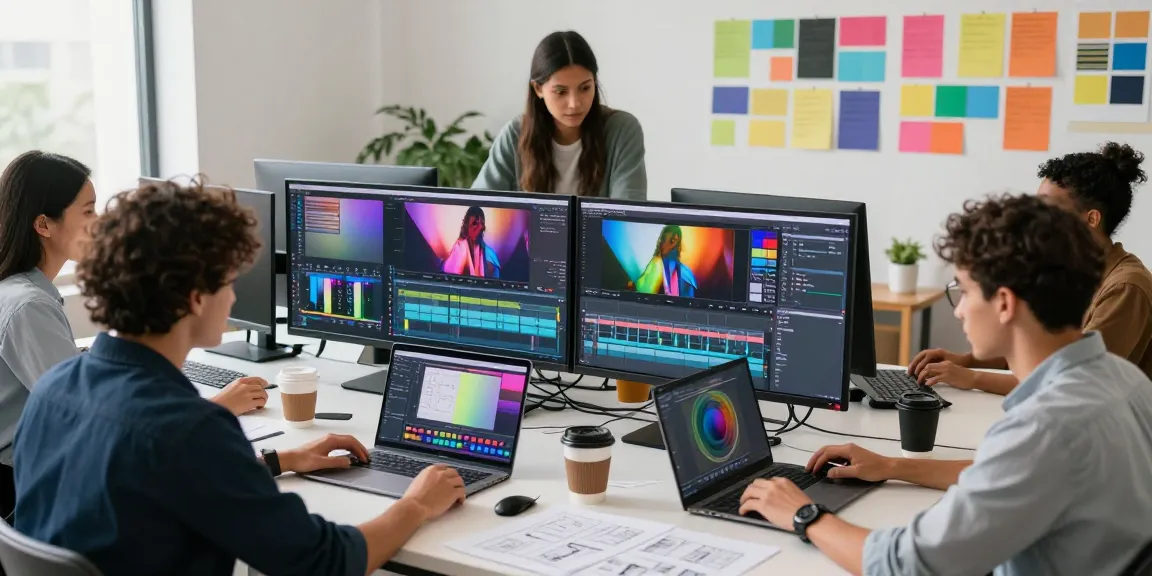
Before diving into color grading, it’s essential to prepare your footage. Start by organizing your clips and selecting the best takes. Ensure that your clips are properly imported into your editing software. Utilize the built-in color scopes, such as waveform and vectorscopes, to evaluate your footage’s exposure and color balance. This will provide a solid foundation for the grading process.
Essential Color Grading Techniques for Beginners
For those new to color grading, it’s best to start with the basics. Begin with color correction to fix any glaring issues before moving on to creative grading. Familiarize yourself with the three primary adjustments: contrast, color balance, and saturation. Use adjustment layers or color grading tools to make these changes, and remember to compare your graded footage with the original to ensure you’re enhancing, not overwhelming, the footage.
Advanced Techniques for Cinematic Looks
Once you’ve mastered the basics, explore advanced techniques like using LUTs (Look-Up Tables) for specific color styles, implementing selective color adjustments, or using masks to isolate certain areas of your footage. Understanding how to manipulate shadows, midtones, and highlights will help you craft a cinematic look that resonates with your audience. Additionally, integrating complementary color schemes can enhance the visual storytelling of your video.
Choosing the Right Software for Color Grading
Comparing Popular Video Editing Software
Choosing the right software for color grading is vital to achieving your desired visual effect. Both Adobe Premiere Pro and DaVinci Resolve stand out for their powerful color grading capabilities. Premiere Pro offers an intuitive interface for those familiar with the Adobe ecosystem, while DaVinci Resolve is renowned for its advanced color grading tools and professional-grade features. Make sure to evaluate your specific needs, budget, and the level of expertise required when selecting software.
Adobe Premiere Pro vs. DaVinci Resolve: Features and Benefits
Adobe Premiere Pro provides robust integration with other Adobe products like After Effects and Photoshop, making it a favorite among content creators who use multiple Adobe applications. It features powerful tools such as the Lumetri Color panel for color grading. DaVinci Resolve, on the other hand, is recognized for its superior color grading tools and flexibility. It offers a dedicated color page that allows precise control and a large variety of features geared towards professional colorists. Each software has its learning curve, so your choice should reflect your workflow and personal preferences.
Cost-Effective Alternatives for Freelancers
Freelancers often seek cost-effective alternatives for software that still deliver high-quality results. Open-source options like Lightworks and HitFilm Express provide decent color grading features and can be excellent starting points for those just beginning their video editing careers. These tools offer great flexibility without a hefty price tag, allowing you to experiment with different techniques before investing in more powerful solutions.
Color Grading for Different Platforms
Tailoring Color Grading for YouTube Videos
YouTube has specific visual standards that cater to its diverse audience. Videos should be bright, vibrant, and engaging to capture viewer attention quickly. When grading for YouTube, consider the platform’s compression standards, which might affect color accuracy. Using brighter colors and higher contrast can ensure your video stands out in crowded feeds.
Considerations for Social Media Content
Social media platforms have unique requirements and audience expectations. Vertical videos for platforms like Instagram Reels and TikTok require quick, eye-catching edits. Color grading should be optimized for mobile viewing, where bright, saturated colors tend to perform better. It’s essential to ensure your visuals pop while still being appropriately styled for the target audience.
Color Grading Tips for Film and Television
Film and television require a more nuanced approach to color grading. Cinematic color grading often involves establishing a visual language that supports the narrative. Consider creating a mood board to define your color palette based on character arcs or settings within the story. Tone and color should evolve throughout a film or series, enhancing the viewing experience and bolstering the emotional impact.
Future Trends in Color Grading for 2026 and Beyond
Emerging Technologies and Their Impact on Color Grading
The landscape of color grading is rapidly evolving due to emerging technologies. Artificial intelligence is beginning to play a significant role in automating basic grading tasks, freeing creatives to focus on more complex adjustments. Tools that utilize AI can analyze footage and suggest color corrections based on learned data from similar scenes, making the process faster and more intuitive.
AI in Color Grading: What to Expect
AI-driven tools will likely revolutionize color grading, bringing about faster turnaround times and new creative possibilities. Future software may integrate machine learning algorithms that adapt to individual editing styles, providing personalized recommendations for color grading. As AI continues to advance, it will be essential to remain adaptable and embrace these innovations to stay competitive in the field.
Preparing for the Future of Video Production
To thrive in the evolving landscape of video production, it’s crucial to stay informed about the latest trends and technologies. This involves continual learning and adapting to new tools and techniques in color grading. Participating in workshops or online courses, such as our video processing and color grading workshops, can help you keep your skills sharp and ensure you’re ready for the future of video content creation.
What are the best practices for color grading in filmmaking?
Best practices for color grading include establishing a consistent grading style across your project, using scopes to analyze colors accurately, and providing creative direction based on the narrative’s mood. Additionally, always keep an eye on the target platform’s specs as they can significantly impact how your colors appear post-compression.
How can I improve my color correction skills?
Improving your color correction skills can be achieved through practice and exploring various tutorial resources. Engaging in exercises that focus on specific color correction techniques, alongside regular feedback from peers, can refine your skills. Consider taking specialized courses that focus on color correction and cinematic grading.
What software do professionals use for color grading?
Professionals typically use industry-standard software like DaVinci Resolve, Adobe Premiere Pro, and Avid Media Composer. These tools offer comprehensive features that allow for detailed color grading and correction. Familiarity with at least one of these platforms can greatly enhance your capabilities in video production.
Is color grading necessary for every video project?
While color grading might not be essential for every single video project, it greatly enhances the professionalism and appeal of your content. Even basic color correction is recommended to ensure your footage appears polished and cohesive.
What trends should I watch for in video production in 2026?
As technology evolves, expect to see trends such as increased use of AI in post-production, a rise in virtual and augmented reality storytelling, and a focus on sustainability in video production practices. Staying abreast of these trends will be crucial for those looking to lead in the industry.