
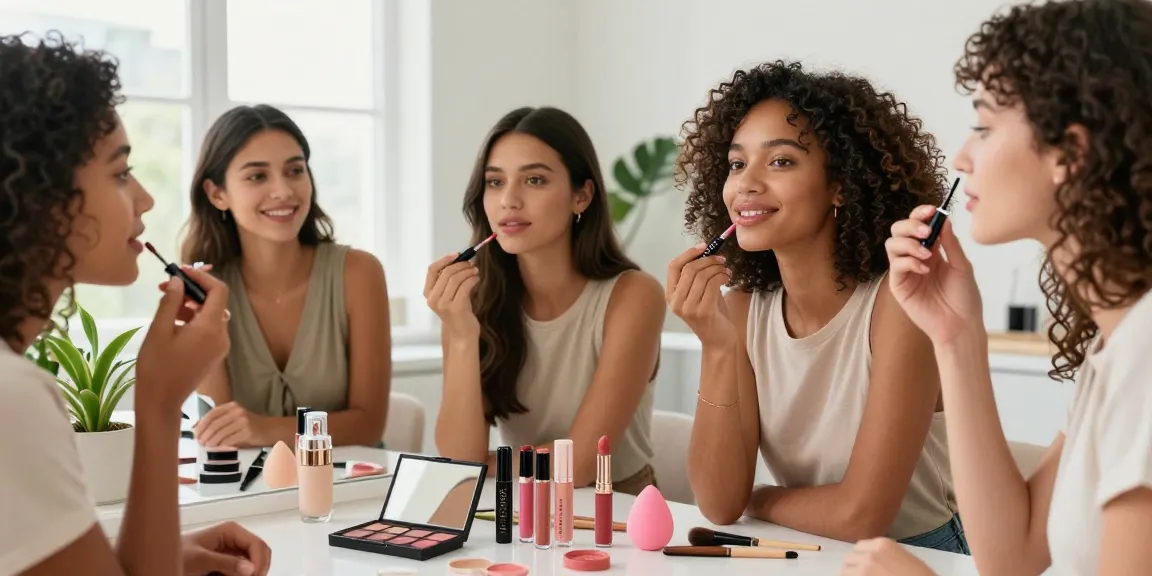
The Rise of Wholesale Makeup in 2026
As the beauty industry evolves, wholesale makeup has emerged as a lucrative avenue for retailers and enthusiasts alike. The landscape of makeup purchasing is shifting, with more consumers and retailers seeking affordable yet high-quality cosmetic options. This trend is not merely a reaction to economic pressures; it signifies a broader movement towards sustainability, accessibility, and consumer empowerment in the beauty sector. This article will explore what wholesale makeup is, delve into the driving forces behind its growth, and identify essential products that every retailer should consider stocking in 2026.
What is Wholesale Makeup?
Wholesale makeup refers to the bulk purchasing of cosmetics at reduced prices, allowing retailers to offer products at competitive rates while maintaining healthy profit margins. Unlike traditional retail, wholesale transactions typically involve buying larger quantities directly from manufacturers or distributors. This model suits various businesses, from large salons to small boutiques, striving to provide customers with affordable makeup options.
Trends Driving Growth in Wholesale Makeup
- Consumer Demand for Natural Ingredients: With an increasing awareness about ingredient safety and environmental impact, consumers are turning towards products that feature natural, vegan, and cruelty-free ingredients. This trend compels wholesalers to stock such products to meet market demand.
- Online Shopping Surge: The rise of e-commerce has changed how consumers shop for makeup. Online wholesalers are thriving, offering extensive catalogs and the convenience of home delivery, appealing to both consumers and retailers alike.
- Sustainable Practices: Eco-conscious consumers are driving demand for brands that utilize sustainable packaging and ethical sourcing practices. Retailers who stock these products can attract a loyal customer base.
When exploring options, wholesale make up can provide comprehensive insights into the types of products that sell best and the brands that are gaining traction.
Understanding the Wholesale Makeup Market
The wholesale makeup market has shown resilience and adaptability in the face of ever-changing consumer preferences. Key players in this industry include established beauty brands, emerging indie labels, and niche market offerings. Retailers must stay informed about market trends and consumer preferences to ensure they select the right products.
Essential Wholesale Makeup Products for Retailers
Key Categories of Wholesale Makeup
To ensure a well-rounded stock, retailers should consider the following categories of wholesale makeup:
- Lip Products: Lipsticks, glosses, and liners are consistently popular, especially when they come in diverse shades and finishes.
- Face Makeup: Foundations, concealers, and powders are essential for any retailer, with a focus on inclusive shade ranges.
- Eye Makeup: Mascara, eyeshadow palettes, and eyeliners should be a priority, as these products often drive impulse purchases.
- Tools and Accessories: Brushes, sponges, and applicators enhance the customer experience and should not be overlooked.
Choosing the Right Brands for Your Store
When selecting brands to stock, retailers should consider not only popularity but also the ethos of the brand. Eco-friendly and cruelty-free brands are becoming increasingly important to consumers. Additionally, aligning with brands that have a strong social message can resonate well with customers.
Utilizing Consumer Preferences in Product Selection
Understanding consumer preferences is key to successful wholesale makeup retailing. Conducting surveys, engaging in social media discussions, and analyzing sales data can provide valuable insights. Retailers who adapt their offerings based on customer feedback are likely to succeed in a competitive market.
Effective Marketing Strategies for Wholesale Makeup
Building an Online Presence
An effective online presence is crucial for reaching potential customers. This includes maintaining an engaging website, optimizing it for SEO, and providing exceptional customer service. High-quality images, detailed product descriptions, and user-friendly navigation can significantly enhance the shopping experience.
Utilizing Social Media for Engagement
Social media platforms serve as powerful tools for marketing wholesale makeup products. Brands can leverage platforms like Instagram and TikTok to showcase products through tutorials, influencer collaborations, and user-generated content, tapping into new customer bases while fostering community engagement.
Creating Promotions That Attract Customers
Promotions such as discounts on bulk purchases, seasonal sales, and loyalty programs can entice customers. Additionally, hosting events or giveaways can generate buzz and attract attention to your brand.
Best Practices in Sourcing Wholesale Makeup
Finding Reliable Suppliers
The foundation of a successful wholesale business lies in sourcing products from reliable suppliers. Researching and vetting companies can prevent potential issues related to product quality or fulfillment. Attending trade shows can also facilitate connections with reputable suppliers.
Negotiating Terms and Prices
Effective negotiation is essential when dealing with suppliers. Establishing clear communication regarding pricing, delivery schedules, and return policies can lead to favorable terms and improved profit margins.
Understanding Shipping and Returns
Shipping logistics and return policies should be clearly outlined to ensure smooth operations. Retailers must consider shipping costs, delivery times, and how returns will be handled to create a hassle-free experience for customers.
Future Trends to Watch in Wholesale Makeup
Sustainability and Eco-Friendly Products
The trend towards sustainability is expected to continue growing in 2026 and beyond. Retailers who prioritize eco-friendly products and packaging will likely see increased sales as consumers become more environmentally conscious.
Technological Innovations Impacting the Industry
Technological advancements, such as augmented reality in makeup applications and AI-driven product recommendations, are set to transform the way consumers shop for makeup. Retailers must stay informed about these technologies to enhance the customer experience.
Consumer Behavior Shifts for 2026 and Beyond
As consumer behavior evolves, retailers must adapt to trends such as personalization and inclusivity. Offering customizable products and a diverse range of shades ensures that businesses remain relevant in a competitive market.
How Can I Start a Wholesale Makeup Business?
Starting a wholesale makeup business involves several steps. First, conduct market research to identify your target audience. Next, develop a business plan that includes sourcing, marketing, and sales strategies. Finally, build relationships with suppliers to ensure access to quality products.
What Are the Benefits of Buying Wholesale Makeup?
Buying wholesale makeup offers several advantages including cost savings, the ability to stock diverse product ranges, and enhanced profit margins. Retailers can also respond quickly to trends, ensuring that they remain competitive.
Is Wholesale Makeup Profitable?
Wholesale makeup can be highly profitable when executed correctly. By carefully managing inventory, establishing effective marketing strategies, and building customer relationships, retailers can maximize their revenue potential.
What Should I Look for in a Wholesale Makeup Supplier?
When seeking a wholesale makeup supplier, prioritize those who offer quality products, reliable customer service, and favorable pricing. Look for suppliers that provide comprehensive catalogs, and consider their ability to fulfill orders promptly.
How Can I Market Wholesale Makeup Effectively?
Effective marketing for wholesale makeup includes leveraging social media, SEO, and email marketing. Providing value through informative content can also build trust with customers and encourage repeat business.
What Are the Key Trends in the Wholesale Makeup Industry?
Key trends in the wholesale makeup industry include increased demand for clean beauty products, the importance of strong brand storytelling, and the rise of e-commerce platforms. Retailers who align with these trends will likely succeed in the future.