
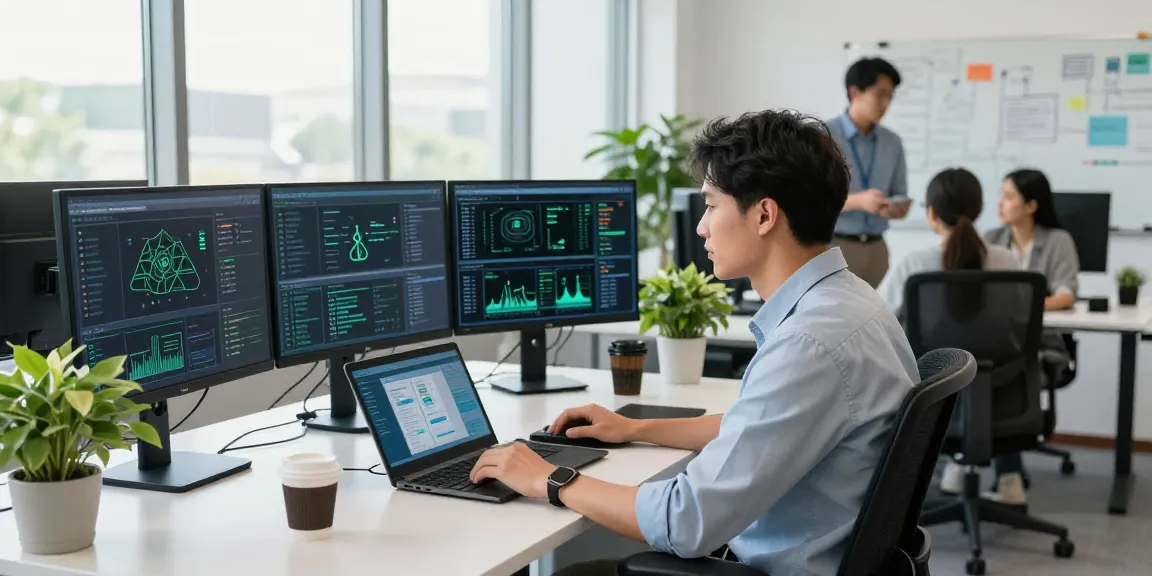
Understanding IT Support for Businesses
In today’s digital landscape, businesses depend heavily on technology to operate efficiently and stay competitive. As such, comprehensive and proactive it support for businesses has become critical. IT support encompasses a range of services designed to ensure that an organization’s IT infrastructure operates smoothly, reducing downtime, and enhancing productivity. This article delves into what IT support for businesses entails, the importance of proactive monitoring, and the various types of support packages available to organizations of all sizes.
What is IT Support for Businesses?
IT support for businesses refers to the services provided to ensure the operational efficiency of an organization’s technology infrastructure. This includes hardware support, software maintenance, network management, and cybersecurity measures. Essentially, IT support acts as a backbone for companies, ensuring that all technology-related issues are addressed promptly. For a business, having a reliable IT support team is not just about resolving problems; it’s about creating a strategic advantage in the ever-evolving digital marketplace.
Importance of Proactive IT Monitoring
Proactive IT monitoring is the practice of anticipating and identifying potential problems before they escalate into significant issues. This approach is vital for minimizing downtime and preventing disruptions that can lead to substantial financial losses. Proactive measures include regular system checks, software updates, and performance monitoring, allowing businesses to maintain optimal IT health. By investing in proactive IT monitoring, organizations can demonstrate a commitment to operational excellence and enhance employee productivity.
Types of IT Support Packages Available
Choosing the right IT support package is crucial for businesses, as it can significantly affect operational efficiency and budget management. Common types of IT support packages include:
- Essential IT Support: Ideal for small businesses, this package offers basic helpdesk support and essential monitoring services.
- Professional RMM Support: This includes more comprehensive remote monitoring and management services that help detect issues in real-time.
- Enterprise Managed IT: Tailored for larger organizations with complex infrastructures, this package provides dedicated engineering resources and extensive support services.
Common Challenges in IT Support
Despite the numerous advantages, businesses often encounter challenges when engaging with IT support services. Understanding these challenges is essential for developing an effective IT strategy.
Identifying IT Issues Before They Affect Operations
One of the most significant challenges is effectively identifying and diagnosing IT issues before they impact day-to-day operations. Many organizations struggle with outdated monitoring tools that fail to provide real-time alerts. Investing in modern remote monitoring and management (RMM) solutions can empower teams to address potential issues proactively.
Budgeting for IT Support Services
Budgeting for IT support can be complicated, especially for small businesses that must balance cost with the need for reliable service. Transparent pricing models and flexible funding solutions help alleviate financial stress, allowing businesses to access quality support without unexpected expenses.
Overcoming Misconceptions About IT Costs
Misconceptions about IT costs can lead organizations to overlook essential services. Many believe that IT support is an unnecessary expense; however, not investing in quality IT support can lead to more significant costs down the line due to downtime, lost revenue, and data breaches. Educating stakeholders on the value of IT investment is critical.
Best Practices for Effective IT Support
Establishing effective IT support practices can enhance the overall performance of a business’s IT systems. Here are some best practices to consider:
Establishing Clear Communication Protocols
Clear communication is vital for successful IT support. Establishing defined protocols for reporting issues and providing feedback ensures that the IT team can respond efficiently. Regular meetings between the IT team and other departments can foster collaboration and streamline support processes.
Implementing Security Measures for Data Protection
With cyber threats on the rise, implementing robust security measures is paramount for protecting sensitive data. This includes adopting firewalls, antivirus solutions, and regular security audits to identify vulnerabilities before they can be exploited by cybercriminals.
Regular Training and Support for Staff
Ongoing training is crucial for ensuring that all employees are aware of best practices when it comes to IT security and support. Empowering staff with knowledge about potential threats and safe computing practices can significantly reduce the risk of data breaches and other IT issues.
Case Studies: Successful IT Support Implementations
Examining successful IT support implementations highlights the impact that quality IT support can have on business operations.
Small Business IT Support Success Stories
Numerous small businesses have experienced significant benefits from implementing dedicated IT support. For instance, a local retailer faced constant system outages due to poor technical infrastructure. By partnering with a managed IT service provider, they transitioned to a robust RMM system, which drastically reduced downtime and improved overall operational efficiency.
Scalable IT Solutions for Growing Companies
As companies expand, their IT needs often become more complex. A tech startup, initially lacking formal IT support, saw rapid growth and subsequently struggled with system overloads and security vulnerabilities. By adopting a scalable IT support solution that allowed for incremental upgrades, the company successfully managed its growing needs without disruption.
Impact of IT Support on Business Productivity
Effective IT support directly correlates with increased business productivity. Companies leveraging proactive IT monitoring report fewer interruptions and can focus on core business activities instead of IT headaches. For example, a marketing agency was able to reduce its client delivery times significantly after integrating comprehensive IT support, leading to improved client satisfaction and retention.
Future Trends in IT Support for Businesses
The landscape of IT support is continuously evolving due to technological advancements and changing business needs. Staying informed about future trends is essential for businesses wishing to maintain a competitive edge.
Emerging Technologies Reshaping IT Support
Technologies such as artificial intelligence (AI) and machine learning (ML) are becoming increasingly integral to IT support. These tools enable predictive analytics, which can foresee potential system failures and facilitate preemptive action. Additionally, automation of routine tasks can free up IT staff to focus on strategic initiatives.
FAQs About IT Support for Businesses in 2026
As the IT support landscape evolves, clients often have questions about what to expect. Common inquiries revolve around technology adoption, cost structures, and the integration of new systems into existing workflows. Businesses that anticipate these concerns can better communicate with their IT support providers, fostering a more productive partnership.
How Remote IT Support is Evolving?
Remote IT support has gained traction, particularly in the wake of the pandemic. Organizations now expect immediate access to IT support regardless of geographical barriers. The use of cloud services and advanced remote desktop tools allows IT professionals to assist clients in real time, improving response times and user satisfaction.
What to Expect from IT Support in the Next 5 Years?
Looking ahead, businesses can expect IT support to become even more integrated into their daily operations. Greater emphasis will be placed on cybersecurity and compliance, along with increased reliance on technology to streamline support processes. Companies that embrace these changes will enhance their resilience against emerging threats and unforeseen challenges.