
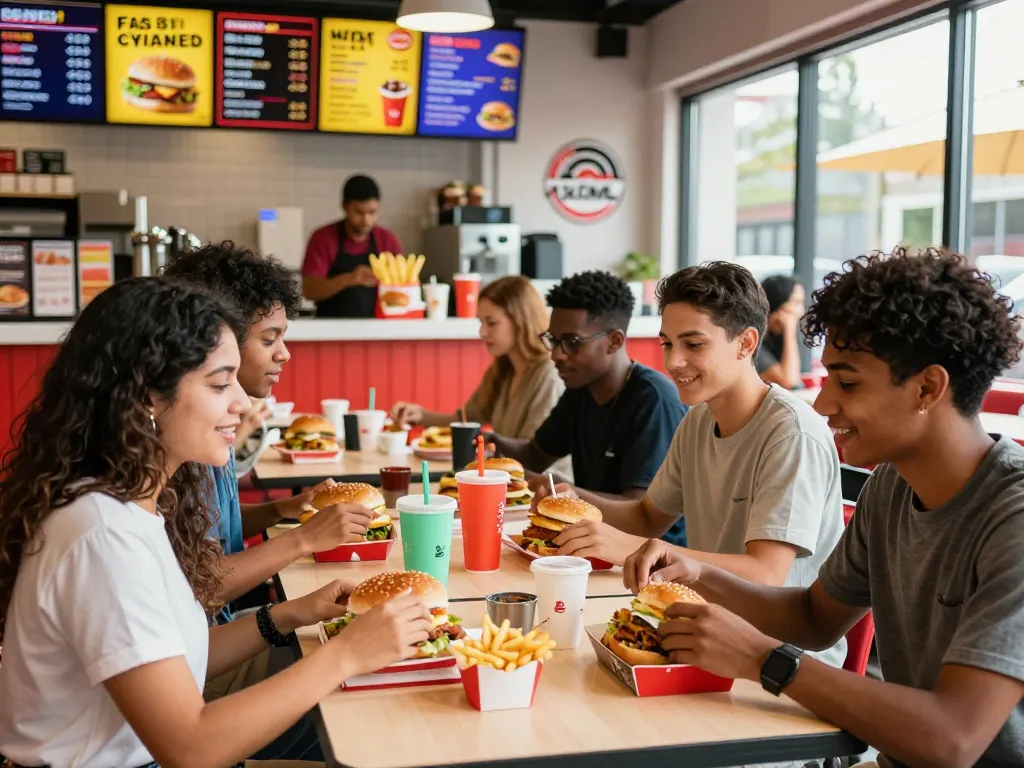
The Current Landscape of Fast Food Prices in 2026
As we step into 2026, the landscape of fast food prices presents a complex picture influenced by various economic factors and consumer behaviors. Fast food has long been synonymous with convenience and affordability; however, shifts in pricing and value perception have dramatically altered this narrative. From rising costs due to inflation and supply chain disruptions to the evolving preferences of a health-conscious consumer base, the dynamics of fast food pricing are continually changing. When exploring options, fast food prices become a crucial aspect of decision-making for many customers looking to balance taste, budget, and health.
Understanding Fast Food Pricing Trends
To comprehend the current pricing trends in the fast food industry, it is essential to understand the key factors influencing these changes. An analysis shows that the average cost of a fast food meal in the U.S. is now approximately $11.50, which represents an increase from previous years. This rise can be attributed primarily to operating costs such as labor, ingredients, and rent, which have all surged in recent years due to inflationary pressures.
Moreover, consumer demand for higher quality and healthier options has prompted many fast food chains to reformulate their menus, often leading to higher prices. For example, popular chains like Chick-fil-A and Chipotle have incorporated more organic and sustainable ingredients, contributing to an increase in meal prices. In contrast, traditional fast food giants like McDonald’s and Burger King are attempting to maintain a lower price point to attract budget-conscious customers.
Comparative Analysis of Popular Chains
A comparative analysis reveals that not all fast food chains are created equal when it comes to pricing. For instance, McDonald’s often positions itself as a budget friendly option, with combo meals starting at around $5. On the other hand, chains like Shake Shack and Five Guys represent mid-range offerings, where meals typically cost between $12 to $15. This disparity highlights how consumer perception shapes pricing strategies within different market segments.
Chains that focus on premium ingredients or unique culinary experiences tend to command higher prices, making it essential for consumers to weigh their options carefully. For instance, a burger from Shake Shack may cost around $8, but many consumers are willing to pay extra for what they perceive as superior quality.
Regional Variations in Fast Food Prices
Fast food prices are also subject to significant regional variations across the United States. States such as California and New York exhibit some of the highest average prices for fast food meals; in San Francisco, for example, a typical combo meal can reach $13.88. In contrast, states in the Midwest often enjoy lower fast food prices due to reduced operating costs and competition levels. The implications of these variations are profound, affecting consumer access and choices based on geographic location.
In addition, the evolving economic situations in each state influence fast food pricing. States with higher costs of living often see fast food prices rise as chains adjust their pricing strategies to maintain profit margins.
Factors Driving Fast Food Price Changes
Impact of Inflation on Fast Food Prices
Inflation has emerged as a significant driver of fast food price changes. With the U.S. facing a broader inflation rate around 31% in the last decade, fast food prices have mirrored this trend, effectively increasing by over 100% for some chains. This inflation impacts everything from labor costs to the price of raw ingredients, making it difficult for fast food chains to keep prices competitive while maintaining profitability.
As wages rise in tandem with inflation, fast food chains are forced to pass on these costs to consumers, which can lead to increased menu prices. Understanding these inflationary effects can help consumers anticipate price changes in their favorite fast food items.
Supply Chain Challenges Affecting Costs
The pandemic exposed vulnerabilities in global supply chains, which have had lasting implications for the fast food industry. Increased shipping costs, labor shortages, and disruptions in agricultural production have all contributed to rising ingredient prices. For example, a shortage in beef supply due to pandemic-related farm closures has led to higher prices for burgers, a staple in fast food menus.
As fast food chains strive to deliver quality products at competitive prices, they often face the challenge of balancing supply shortages with customer expectations. The successful management of these supply chain dynamics becomes critical for maintaining brand loyalty and customer satisfaction.
Consumer Demand and Market Competition
In today’s fast food landscape, consumer preferences are shifting towards healthier, more sustainable options. As a result, many chains are responding by reformulating their offerings or introducing new menu items that cater to this demand. For instance, plant-based options have gained popularity, prompting chains to experiment with alternatives to traditional meat products.
This shift not only influences menu pricing but also exacerbates competition among fast food chains. Those that can effectively manage product innovation while keeping prices in check are likely to win over health-conscious consumers, leading to increased market share.
Examining Value: What Do You Get for Fast Food Prices?
Quality of Ingredients vs. Cost
As prices rise, customers increasingly scrutinize the quality of ingredients versus the cost of their meals. Fast food establishments that prioritize fresh and high-quality ingredients may command higher prices, but they also attract discerning consumers willing to pay for a superior dining experience. For example, Chipotle has successfully branded itself as a provider of quality fast food, which justifies its higher price points.
Moreover, consumers are becoming more informed about ingredient sourcing and nutritional content, making transparency in food sourcing a critical component of customer loyalty.
Special Offers and Bundled Deals
To maintain customer interest amid rising prices, many fast food chains have resorted to special offers and bundled deals. These promotions often provide consumers with a perception of value, allowing them to enjoy a meal at a reduced cost. For instance, combo meals or family packs can offer significant savings compared to purchasing individual items.
Therefore, savvy consumers should keep an eye out for promotions that provide better value for their fast food purchases, particularly during economically challenging times.
Customer Perception of Value
The perception of value is subjective and can differ significantly among consumers. While some prioritize price above all, others may consider factors such as taste, portion size, and ingredient quality. Understanding these nuances can help fast food chains better position themselves in a competitive market, ensuring they cater to the diverse preferences of their customer base.
Strategies for Managing Fast Food Expenses
Tips for Budget-Friendly Fast Food Choices
For consumers looking to manage their fast food expenses, several strategies can prove beneficial. First, consider ordering from the value menu, where many chains offer items at a significantly lower price. Exploring loyalty programs can also yield rewards and discounts, further reducing overall spending.
Additionally, dining during off-peak hours can sometimes result in discounts, as chains aim to boost sales during quieter periods.
Using Mobile Apps for Discounts
In the digital age, many fast food chains have adapted by offering mobile apps that provide exclusive discounts and promotions. Signing up for these apps can grant access to deals that may not be available elsewhere. Consumers should regularly check these apps for savings opportunities, as they can lead to substantial reductions in meal costs over time.
Making Healthier Choices Without Breaking the Bank
Eating healthy on a budget is possible even in the fast food arena. Many establishments now offer lighter fare or customizable options that allow consumers to create healthier meals. Opting for salad or grilled items instead of fried foods can save money and contribute to a balanced diet.
By making informed choices, consumers can maintain their health goals without overspending on fast food.
Looking Ahead: The Future of Fast Food Pricing
Predictions for 2027 and Beyond
Forecasting the future of fast food pricing involves anticipating ongoing economic trends and shifting consumer behaviors. Analysts predict that while prices may continue to rise due to inflation, there could also be a push for more competitive pricing strategies among chains to retain consumer interest. This dynamic landscape will require constant adaptation from fast food brands to meet evolving customer expectations.
Emerging Fast Food Concepts and Their Pricing Models
The rise of fast casual dining has introduced new pricing models that could reshape the fast food industry. These establishments often charge a premium for quality and service, appealing to consumers looking for a more upscale dining experience. By blending speed with quality, these chains challenge traditional fast food pricing and may influence future pricing strategies across the industry.
Consumer Trends Impacting the Fast Food Industry
Consumer trends indicate a growing interest in ethical dining practices and sustainability. Fast food chains that can align their pricing with ethical sourcing and environmentally friendly practices may find a niche market willing to pay more for value-driven choices. Thus, the future of fast food pricing will likely reflect not only economic factors but also evolving societal values.
What Are People Saying About Fast Food Prices?
As consumers grapple with the rising costs of fast food, conversations around pricing are at the forefront of public discourse. Online forums and social media platforms reveal a growing frustration over price hikes, with many lamenting the affordability of meals compared to just a few years ago. Understanding these sentiments allows brands to gauge customer reactions and adjust their strategies accordingly.
How Are Fast Food Chains Adapting to Changing Economies?
In response to rising costs, fast food chains are implementing various strategies to adapt. Many are optimizing their supply chains to reduce waste and streamline costs while introducing limited-time offers that create urgency and excitement among consumers. These adaptations not only address immediate financial pressures but also enhance consumer engagement.
Are Fast Food Prices Here to Stay?
The question of whether fast food prices will stabilize or continue to rise remains uncertain. While inflation and supply chain issues are likely to persist, consumer demand for affordable options may prompt chains to explore strategies that keep prices competitive. Ultimately, the future of fast food pricing will hinge on a delicate balance between cost, quality, and consumer perception.