Understanding AI Image Variations
In the age of digital photography and graphic design, creators are increasingly turning to AI-driven tools that can enhance their workflow and creativity. Among these innovations, AI image variations have emerged as a powerful solution, allowing users to generate multiple versions of a single image by simply changing one element. This technology taps into the capabilities of artificial intelligence to not only streamline the editing process but also open up new avenues for artistic expression. As we delve deeper into the world of AI image variations, we'll explore how this technology works, its benefits, and best practices for leveraging it in various contexts.
What Are AI Image Variations?
AI image variations refer to the process of using artificial intelligence algorithms to generate different versions of an existing image by altering specific elements while preserving the integrity of the original photo. This technology allows users to change attributes such as colors, objects, backgrounds, or even the time of day depicted in the image, without having to completely re-edit or recreate the image from scratch.
Benefits of Using AI Image Variations
The adoption of AI image variations can result in numerous advantages for both professional and amateur creators:
- Efficiency: The process significantly reduces the time required to create variations of an image, enabling quick iterations and creative exploration.
- Creativity: By experimenting with various adjustments, users can discover innovative styles and interpretations of their work.
- Cost-Effectiveness: For businesses and freelancers, utilizing AI tools can reduce the need for extensive manual editing and the associated costs.
- Accessibility: AI image variation tools are often user-friendly and do not require advanced technical skills to operate, making them accessible to a wider audience.
How AI Image Variations Work
At the core of AI image variations is a sophisticated set of algorithms trained on vast datasets comprising images and their attributes. When a user provides an input image and specifies a change, the AI analyzes the image to understand its structural components and stylistic elements. It then generates a modified version of the original image according to the specified instructions. This process typically takes place in a matter of seconds, allowing for rapid iteration.
Best Practices for Crafting AI Image Variations
While the technology behind AI image variations is robust, the success of the output largely depends on how users interact with the tool. Here are some best practices to maximize the effectiveness of AI-driven image variations:
Choosing the Right Input Images
Selecting the right image is crucial for achieving quality results. Consider the following factors:
- High-Quality Sources: Use images that are high resolution and well-composed, as they provide a better foundation for generating variations.
- Simple Backgrounds: Images with uncluttered backgrounds can yield cleaner and more impactful variations when elements are changed.
- Relevant Content: Choose images that align with your creative goals; for example, a product photo might be ideal for variations that focus on color changes.
Effective Instructions for Optimal Outputs
When crafting instructions for the AI tool, clarity is key. Focus on the following techniques:
- Be Specific: Clearly define the change you want to see. Instead of vague instructions like "make it better," specify the exact change, such as "make the wall blue."
- Limit Changes: Focus on one change per run to ensure the AI generates a coherent image that retains the integrity of the original.
- Utilize Examples: If possible, provide examples of similar changes to guide the AI toward your desired outcome.
Managing Expectations with AI Image Variations
While AI image variations can produce impressive results, it’s essential to maintain realistic expectations. Understand the limitations of the technology, such as:
- Context Awareness: AI tools may not always grasp the full context of a scene, potentially leading to unexpected outcomes.
- Dependency on Inputs: The quality of the variation is contingent upon the quality of the original image and the specificity of the instructions.
- Artistic Interpretation: The AI may interpret changes in unexpected ways, leading to creative but unanticipated results.
Advanced Techniques for AI Image Variations
For those looking to elevate their use of AI image variations, consider integrating advanced techniques into your workflow:
Integrating AI Image Variations into Your Workflow
Incorporating AI variations into your existing processes can enhance overall productivity:
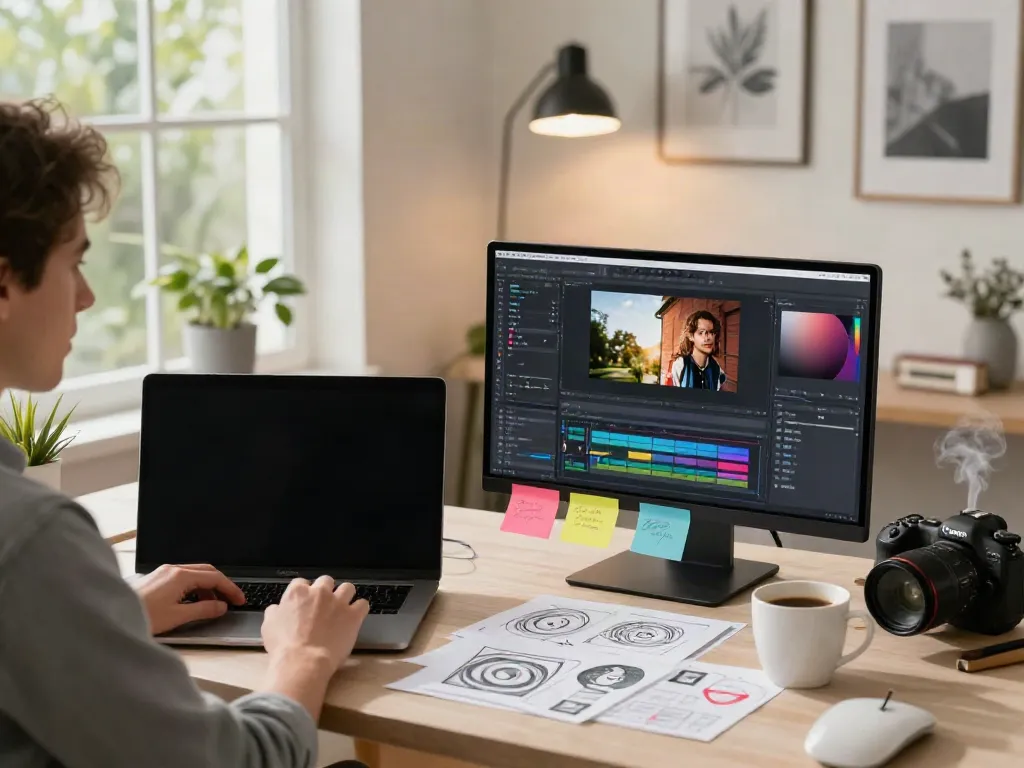
- Combine with Traditional Editing: Use AI-generated variations as a starting point, then refine the images further with traditional editing tools.
- Collaborative Projects: Share variations with collaborators to gather feedback and inspire new ideas.
- Batch Processing: For larger projects, consider generating multiple variations in one go to save time.
Combining AI Variations with Other Editing Tools
AI image variations can complement other graphic design tools for a more comprehensive editing experience:
- Layering Techniques: Use AI variations as layers within graphic design software to create multi-faceted images.
- Text Integration: After generating variations, add texts or graphics as needed to complete your visual storytelling.
- Color Grading: Finalize variations by applying color grading techniques to achieve a desired mood or tone.
Exploring Different Styles of Variations
Experimenting with various styles can help differentiate your work:
- Classic vs. Modern: Generate variations that align with different artistic movements; for instance, altering a contemporary image to reflect a classic painting style.
- Seasonal Changes: Create variations that depict different seasons or holiday themes to keep content fresh and relevant.
- Textural Variations: Experiment with adding textures or filters to create unique visual effects that stand out.
Real-World Applications of AI Image Variations
AI image variations are gaining traction across various industries. Here are some prominent applications:
Case Studies: Successful Uses in Design Projects
Numerous designers and companies have integrated AI image variations into their workflows, yielding impressive results. For instance, a fashion retailer utilized AI variation tools to create diverse product images by altering colors and styles, resulting in an increase in customer engagement and sales.
Industry-Specific Examples of AI Image Variations
Different industries are leveraging AI image variations in unique ways:
- Real Estate: Agents generate seasonal images of properties to attract buyers throughout the year.
- Food Industry: Restaurants create appealing menu images by substituting ingredients and enhancing presentation.
- Marketing: Brands produce multiple variations of advertisements to target different demographics effectively.
Community Feedback on AI Image Variations Tools
User feedback plays a critical role in the development and refinement of AI image tools. Many users appreciate the speed and ease of generating variations but also call for enhanced contextual awareness from the AI to produce more accurate results.
Future Trends in AI Image Variations
The landscape of AI image variations is evolving rapidly. Here are some anticipated trends for the near future:
Emerging Technologies Revolutionizing Image Editing
With advancements in machine learning and computer vision, we can expect:
- Improved Contextual Understanding: Future AI tools may better grasp the context and relationships within images, leading to more coherent variations.
- Enhanced Customization Options: Users will likely gain access to more granular control over the editing parameters, making for a more personalized experience.
- Integration with Other Media: AI variations might soon expand beyond static images to include video and interactive media.
Predictions for AI Image Variations in 2026
As we look ahead to 2026, several predictions emerge:
- Widespread Adoption: More businesses and individuals will adopt AI image variations as essential tools in their creative processes.
- Continuous Learning: AI tools will evolve to learn from user preferences, creating more tailored output.
- New Use Cases: As technology develops, entirely new applications for AI image variations will likely emerge, reshaping how we think about visual content.
Preparing for the Future of AI in Visual Arts
As AI continues to permeate the world of visual arts, it’s important for creators to stay educated and adaptable. Embracing new technologies, experimenting with AI-driven tools, and engaging with the creative community will enable artists to thrive in this evolving landscape.
What are the different styles of AI images?
AI images can come in various styles, ranging from hyper-realistic to abstract interpretations. Users can create and explore these styles by adjusting parameters and experimenting with different prompt instructions.
How can I use AI to create variations of an image?
Creating variations is straightforward; simply upload an image, specify the desired changes in a clear and concise manner, and let the AI generate the output.
Is there an AI that can modify images?
Yes, many AI tools are specifically designed to modify images by allowing users to alter existing visuals seamlessly, providing a wide array of creative possibilities.