The Essence of Design Collaboration
In the realm of design, collaboration serves as the foundational pillar upon which innovative solutions and standout visuals are built. Successful designers recognize that their greatest achievements often stem from working together, exchanging ideas, and leveraging diverse expertise. Dispersed around the globe, top-tier design talents and teams navigate the intricate balance of singular vision and collective efforts, forging powerful outputs that resonate with audiences. Understanding how to channel this collaborative prowess can be transformative for any design project or studio, and it also underscores the critical importance of platforms like https://bestdesignersintheworld.com/, showcasing premier designers and their work.
Understanding the Collaborative Process
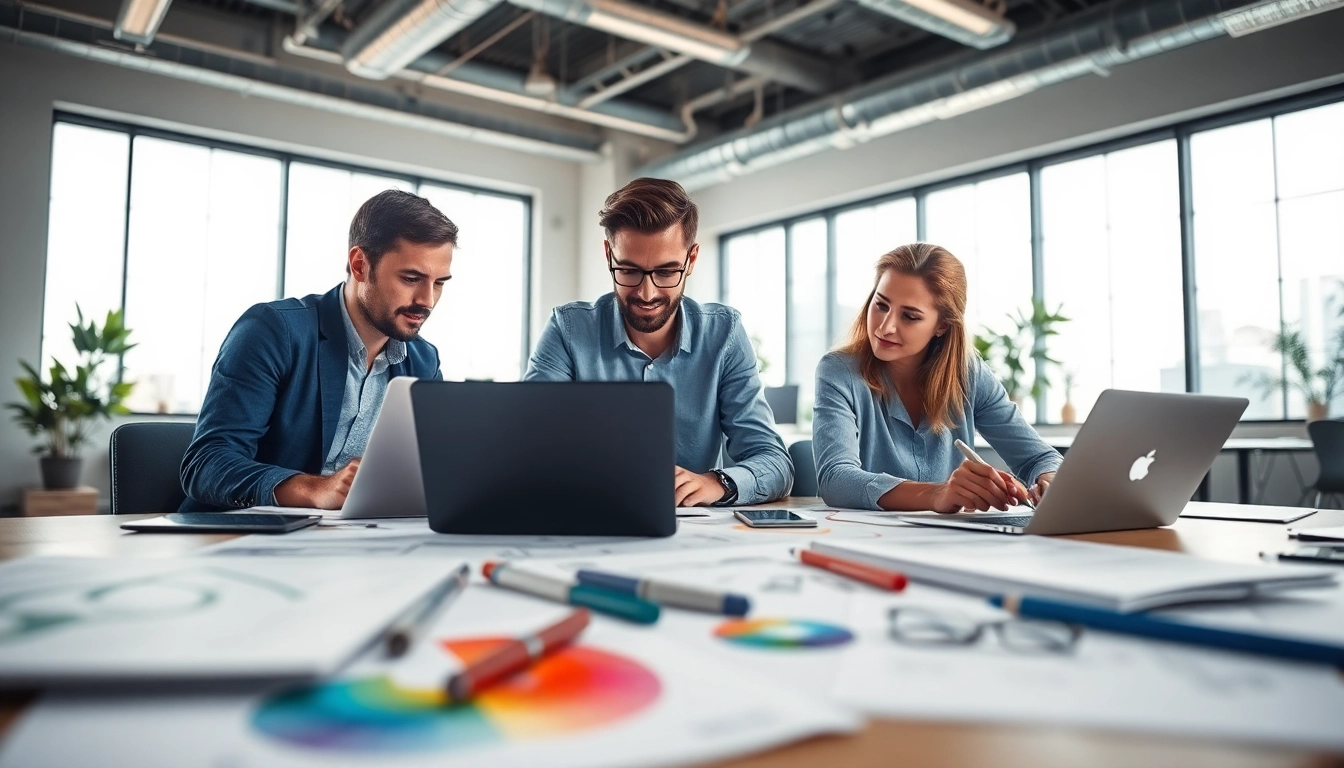
Design collaboration isn’t just about brainstorming sessions or sharing files online; it’s a strategic process that involves multiple stages. Initially, ideas flow freely as team members contribute their unique perspectives. As these ideas begin to solidify, collaboration shifts to encompass drafting and refining concepts, integrating feedback, and ultimately arriving at a cohesive design solution. This iterative process allows for continuous improvement and innovation.
Effective collaboration depends on mutual respect and trust among team members. Establishing a shared vision early in the process helps every participant align and understand their role, leading to smoother interactions and higher productivity.
Roles in Design Teams
A well-structured design team consists of diverse roles, each contributing their expertise to the overall project. Key roles typically include:
- Project Manager: Oversees project timelines, budgets, and resource allocation.
- Lead Designer: Responsible for the overarching design vision and execution.
- Graphic Designers: Focuses on visual elements, layouts, and aesthetics.
- User Experience (UX) Designers: Enhances user satisfaction by improving usability and accessibility.
- Copywriters: Crafts compelling narratives and content that complements the design.
Collaboration among these roles ensures streamlined processes and encourages creative input at every level, facilitating a richer outcome.
Benefits of Collaboration in Design
The benefits of effective design collaboration are multifaceted:
- Enhanced Creativity: Diverse perspectives foster greater innovation and creativity.
- Improved Problem-Solving: Teams can tackle complex issues more effectively.
- Higher Quality Outcomes: The combination of different skill sets leads to superior results.
- Efficiency Gains: Collaboration reduces duplicated efforts and increases productivity.
Teams that embrace collaboration not only generate better designs but also cultivate a positive team culture that motivates members and attracts talent.
Innovative Tools for Designers
In today’s fast-paced design environment, having the right tools can significantly enhance collaboration. From project management software to specialized design platforms, the digital toolbox available to designers is continually evolving. Understanding and utilizing these tools is essential for maximizing team efficiency and creativity.
Project Management Software
Project management software like Trello, Asana, or Monday.com helps teams keep track of tasks, deadlines, and milestones. These platforms enable team members to assign responsibilities, monitor progress, and communicate effectively about individual and collective tasks. By visualizing workloads and project status, teams can quickly identify bottlenecks and adjust resources accordingly.
Moreover, project management software often integrates with other tools, providing a seamless workflow from concept to delivery.
Design Collaboration Platforms
Specialized design collaboration tools like Figma, Adobe XD, or Sketch allow teams to work together in real time, regardless of their physical location. These platforms often support features such as live editing, comment functions, and version control. This means that feedback can be provided instantly, ensuring that design iterations are informed by input from all relevant stakeholders.
Using these platforms, designers can visualize changes immediately, making it easier to maintain coherence throughout the project lifecycle.
Communication Tools for Teams
Effective communication is vital to the success of any collaborative effort. Tools such as Slack, Microsoft Teams, or Zoom provide chat functions, video conferencing, and file sharing capabilities that facilitate smooth interactions among team members. Instant messaging keeps conversations flowing and allows for quick decision-making without the need for lengthy email threads.
Investing time in selecting the appropriate tools can lead to a more dynamic and responsive design process, where collaboration feels organic and fluid.
Best Practices for Effective Design Collaboration
While tools are essential, the practices surrounding collaborative efforts dictate the extent of their effectiveness. Adopting proven best practices can help streamline processes, improve team dynamics, and ultimately yield better results.
Establishing Clear Goals
Before any design project launches, it's imperative to outline clear and achievable goals. Objectives should be specific, measurable, attainable, relevant, and time-bound (SMART). This clarity enables teams to align their efforts from the outset and reduces the likelihood of misunderstandings or misaligned expectations later in the process.
Regularly revisiting these goals during the project can also help maintain focus and motivate team members to achieve collective success.
Fostering Open Communication
Creating an environment where team members feel comfortable sharing ideas, asking questions, and providing honest feedback is vital. Encourage open dialogue through regular check-ins and brainstorming sessions. This openness builds trust and fosters collaboration, ensuring that everyone feels valued and heard.
Consider implementing an inclusive feedback structure that allows for all voices, particularly during critical phases of the design process.
Encouraging Creative Freedom
While structure is important, so is the freedom to explore new ideas and concepts. Encourage team members to take calculated creative risks and to think outside the box. By providing a supportive atmosphere where innovation is rewarded, teams can achieve more groundbreaking results and elevate their collective efforts.
Celebrate unique ideas and perspectives that may not fit the traditional mold but could lead to innovative solutions.
Case Studies of Successful Design Collaborations
Examining real-world examples of successful design collaborations provides valuable insights into best practices, creative thinking, and strategic execution. Learning from others allows aspiring teams to glean actionable strategies that can be tailored to their own projects.
Examples of Impactful Projects
Consider projects where multidisciplinary teams joined forces to produce outstanding designs. For instance, an architectural firm partnering with graphic designers and UX experts to create a cohesive brand experience for a new public space illustrates the importance of varied skill sets. This diverse collaboration can lead to outcomes that engage the community in ways that resonate profoundly.
Such collaborations underscore the idea that comprehensive design solutions can only emerge from diverse contributions.
Lessons Learned from Top Designers
Success in design collaboration often brings with it valuable lessons. Frequent insights from seasoned designers reveal that flexibility is critical. Embracing changes while remaining aligned to project goals allows teams to pivot when necessary without losing sight of the end vision.
Additionally, establishing well-defined roles and responsibilities early on prevents confusion, streamlining deliverables while holding team members accountable.
Measuring Success in Collaborative Efforts
Assessing the impact and success of collaborative design projects can be achieved through various metrics. Consider both qualitative and quantitative evaluations. Metrics may include project completion timeframes, client satisfaction surveys, team morale ratings, or even analyzing the engagement levels of end-users.
Every collaborative effort presents an opportunity for growth and learning; measuring success ensures teams can recognize their achievements and identify areas for improvement.
The Future of Design Collaboration
The landscape of design collaboration is rapidly changing, and staying ahead requires mindfulness of emerging trends and technological advancements. The future promises a blend of creativity, technology, and interpersonal dynamics that, when balanced, can lead to extraordinary design solutions.
Emerging Trends in Design Practices
As businesses become increasingly globalized, remote and hybrid collaboration is becoming the norm. Distributed teams can now collaborate seamlessly, transcending geographical boundaries. This trend opens up opportunities for richer input from a diverse range of cultures and perspectives, enhancing creativity and leading to more culturally relevant designs.
Another emerging trend is the incorporation of sustainability into design processes, with teams working collaboratively to create environmentally-friendly solutions that resonate with eco-conscious consumers.
Technological Advances Shaping Collaboration
Technological advancements like virtual reality (VR) and augmented reality (AR) are transforming the way design teams collaborate. These technologies allow team members to visualize concepts in three dimensions, fostering a deeper understanding and more fruitful discussions around design elements. Tools that integrate artificial intelligence (AI) can also streamline routine tasks, freeing up creative resources for innovation.
As these technologies evolve, teams that embrace change will likely find themselves with a competitive edge, driving effective collaboration and creativity.
Predictions for the Design Industry
The ongoing evolution of design collaboration will likely emphasize hyper-specialization, where teams comprise individuals with niche abilities focusing on specific aspects of projects. This approach may lead to collaborations that are not only more effective but also yield groundbreaking innovation.
In addition, the shift towards more remote interactions will continue to necessitate new tools and practices aimed at enhancing the collective design experience, emphasizing that successful collaboration is about continuous adaptation and improvement.
Frequently Asked Questions
What is design collaboration?
Design collaboration involves team members working together, sharing ideas, and leveraging diverse expertise to create innovative design solutions.
How can teams ensure effective collaboration?
Establishing clear goals, fostering open communication, and encouraging creative freedom are key practices to ensure effective collaboration.
What tools support design collaboration?
Tools like project management software, design collaboration platforms, and communication apps aid designers in working together efficiently.
What benefits arise from design collaboration?
Enhanced creativity, improved problem-solving, higher quality outcomes, and efficiency gains are some benefits of design collaboration.
How can project success be measured in design collaboration?
Success can be measured through metrics like project completion times, client satisfaction, team morale, and end-user engagement levels.