
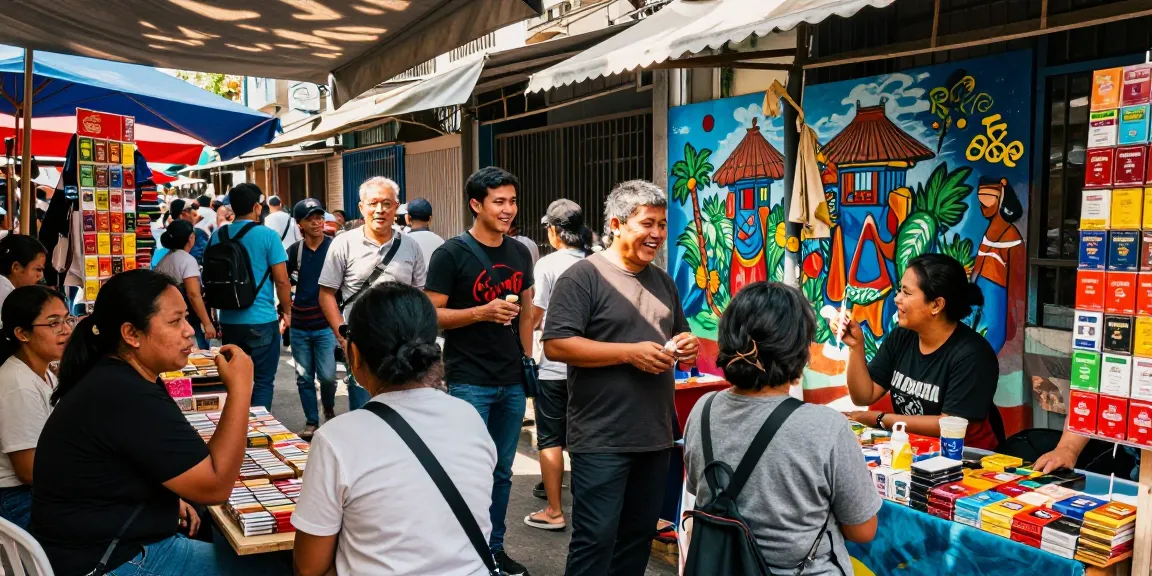
Understanding the Tobacco Industry Landscape
The tobacco industry is undergoing significant transformations as societal attitudes, regulations, and consumer preferences evolve. In 2026, understanding the underlying shifts is crucial for brands looking to position themselves effectively in the market. This year holds specific insights into consumer habits, sustainability considerations, and innovations that redefine traditional tobacco consumption. As we delve into the current trends impacting tobacco consumption, we aim to highlight how platforms, such as rokok88, are responding to these changes to meet consumer expectations.
Current Trends Impacting Tobacco Consumption
The landscape of tobacco consumption is markedly influenced by trends such as the rise of e-cigarettes and heated tobacco products. These alternatives cater to health-conscious consumers who are seeking lower-risk options while still desiring nicotine delivery.
- Health Awareness: An increasing number of consumers prioritize health and are moving towards alternatives perceived as less harmful. This aligns with global health campaigns aimed at reducing traditional smoking.
- Flavor Innovations: Flavored tobacco products have gained popularity, appealing to younger demographics seeking diverse experiences in their tobacco consumption.
- Digital Engagement: Brands are leveraging digital platforms for marketing and consumer engagement, reflecting a shift in how consumers discover and purchase tobacco products.
Key Consumer Demographics for rokok88
The target audience for rokok88 largely comprises young adults aged 18 to 35, who are open to experimenting with both traditional and innovative tobacco products. This demographic is characterized by a strong influence of peer recommendations and social media interactions, affecting their brand loyalty and purchasing decisions.
Moreover, understanding regional preferences is vital. For example, consumers in urban centers often lean towards premium tobacco experiences, while those in rural areas may gravitate towards affordability and accessibility. Therefore, tailoring marketing strategies for diverse demographics will be essential for capturing market share.
Challenges Facing the Tobacco Sector in 2026
Despite the innovations and shifting trends, the tobacco industry faces significant challenges that could potentially inhibit growth. Regulatory pressures are intensifying, leading to stricter advertising guidelines and product restrictions. Furthermore, public health campaigns continue to target the tobacco sector, increasing consumer scrutiny and awareness around the dangers of smoking.
- Regulatory Compliance: Adapting to various regulations across different countries poses logistical and financial challenges for brands.
- Public Perception: The stigma associated with tobacco consumption can deter potential customers, pushing brands to invest heavily in image management and consumer education.
- Counterfeit Products: The rise of counterfeit tobacco products presents a risk to genuine brands, undermining their market presence and potentially harming consumer trust.
rokok88: What to Expect in Quality and Experience
As consumers explore rokok88 products, they expect quality and a fulfilling experience reflective of their desires and health considerations. The brand aims to set benchmarks in quality, ensuring that every product meets high standards of safety and enjoyment.
Evaluating Product Quality Compared to Competitors
When assessing the quality of rokok88 products, it is vital to understand their composition, sourcing, and manufacturing processes. Competing brands often emphasize unique selling points, such as organic tobacco or innovative production techniques. Consumers are encouraged to research these aspects to make informed decisions about their preferences.
Furthermore, comparative analyses reveal how rokok88 stacks up against its competitors in terms of flavor profile, aroma, and aftertaste, which can significantly influence consumer satisfaction.
Consumer Expectations vs Actual Experiences
Consumer expectations surrounding rokok88 hinge on the perceived quality of ingredients and the overall smoking experience. A disconnect often arises when actual experiences do not meet these expectations, leading to dissatisfaction. Brands must actively seek feedback and adapt their offerings based on consumer insights.
- Transparency: Building trust through transparency about the manufacturing process can greatly enhance customer loyalty.
- Regular Surveys: Conducting regular surveys can help gauge consumer satisfaction and identify areas for improvement.
Innovations in Tobacco Products in 2026
Innovation is key to thriving in the tobacco industry. In 2026, advancements in technology have led to the introduction of smart devices that can track usage patterns and provide personalized recommendations for tobacco consumption. Additionally, brands are investing in research to develop tobacco alternatives that cater to a more health-conscious audience.
These innovations not only meet consumer demands but also help brands to position themselves as leaders in the ever-evolving tobacco landscape. By adopting new technologies, rokok88 can further enhance its product offerings and user experiences.
Health Considerations: Balancing Enjoyment and Risks
As the tobacco industry continues to evolve, so do the conversations surrounding health implications. For consumers, being informed about the risks associated with tobacco use is crucial for making responsible choices about their consumption habits.
Understanding the Health Implications of Tobacco Use
Research consistently highlights the health risks posed by tobacco consumption, including respiratory diseases, heart conditions, and various forms of cancer. However, many users still seek to enjoy tobacco products with an understanding of these risks. Brands like rokok88 are encouraged to communicate the importance of moderation and awareness to their consumers.
Consumer Awareness and Tobacco Education
Education plays a pivotal role in shaping consumer behavior. Awareness campaigns focused on the health effects of tobacco use, alongside information on alternatives, can empower consumers to make informed decisions. It is essential for brands to take an active role in promoting education within their marketing strategies.
- Informative Packaging: Brands should consider incorporating health warnings and educational content on packaging to inform consumers proactively.
- Community Engagement: Hosting events that focus on health education can help build a positive brand image while supporting public health initiatives.
Strategies for Safer Tobacco Consumption
To mitigate the risks associated with tobacco use, brands and consumers alike must embrace responsible consumption practices. This includes advocating for lower-risk alternatives, providing resources for cessation support, and promoting the importance of moderation.
- Promoting Alternatives: Highlighting less harmful products can lead to a significant shift in consumer preferences.
- Support Programs: Establishing support systems for users looking to quit can foster loyalty and improve brand perception.
Marketing Strategies for Tobacco Brands in 2026
The marketing landscape for tobacco products is changing rapidly. In 2026, brands must adopt innovative strategies to effectively connect with their target audiences while navigating strict regulations and public scrutiny.
Modern Marketing Techniques for Tobacco Products
Utilizing data analytics and digital marketing techniques is essential for understanding consumer behavior and preferences. Brands can leverage targeted advertising on social media platforms to reach potential customers in a less invasive manner.
- Data-Driven Decisions: Analyzing consumer data can help brands tailor their products and marketing strategies to better meet consumer demands.
- Content Marketing: Sharing educational and engaging content related to tobacco culture can attract consumers and build brand loyalty.
Leveraging Social Media for Brand Engagement
Social media has become a powerful tool for engaging consumers. Tobacco brands can utilize platforms such as Instagram and TikTok to showcase their products creatively, while also complying with advertising regulations. Interactive content, such as polls and user-generated content, can foster a sense of community among users.
Building a Responsible Brand Image in the Tobacco Industry
Establishing a responsible brand image is crucial for maintaining trust and credibility in the market. Tobacco companies must take proactive steps to portray themselves as socially responsible entities, investing in community initiatives and health education campaigns.
- Environmental Sustainability: Brands can demonstrate their commitment to sustainability by adopting eco-friendly practices in production and packaging.
- Community Support: Engaging in initiatives that promote public health can enhance the brand's reputation among consumers.
The Future of Tobacco Consumption and Regulations
The tobacco industry faces an ever-evolving regulatory landscape. As we move deeper into 2026, it is crucial for brands to adapt to new laws and consumer expectations.
Predictions for Tobacco Regulations by 2026
We can expect increasingly stringent regulations surrounding tobacco products. Governments worldwide are likely to impose higher taxes, stricter packaging requirements, and limitations on advertising. Brands must remain nimble and compliant to navigate this complex environment successfully.
Consumer Adaptations to New Laws and Policies
As regulations tighten, consumers will adapt their purchasing habits. There may be a significant shift towards online purchasing and home delivery services for tobacco products, as these methods can provide convenience while complying with local laws.
Emerging Trends and Innovations in Tobacco Alternatives
As traditional tobacco consumption declines, the market for alternatives continues to rise. Innovations in nicotine delivery systems, such as nicotine pouches and herbal smoking products, are poised to gain traction. Brands that embrace these trends can capitalize on the growing demand for diverse options.
What are the latest trends for rokok88 in 2026?
In 2026, rokok88 sets itself apart with a commitment to quality and innovation. By focusing on sustainability and exploring alternative products, they resonate with health-focused consumers while maintaining traditional market segments.
How do consumer experiences with rokok88 compare to expectations?
Consumer feedback indicates a rising satisfaction with rokok88 products, as many find their quality aligns with expectations. By continuing to gather insights, the brand can enhance user experiences and ensure continued loyalty.
What health considerations should tobacco consumers keep in mind?
Tobacco consumers must remain aware of the health risks associated with their choices. Staying informed about safer alternatives and the importance of moderation is crucial for responsible consumption.
What marketing strategies should tobacco brands adopt in 2026?
To stay relevant, tobacco brands should embrace digital engagement, prioritize consumer education, and build a responsible brand image that aligns with public health priorities.
How will future regulations affect tobacco consumption patterns?
Future regulations are likely to drive consumers towards online purchases and innovative tobacco alternatives, requiring brands to adapt their strategies to meet evolving market demands.